Opens in a new tab

Meet Fluffy the Tortoise

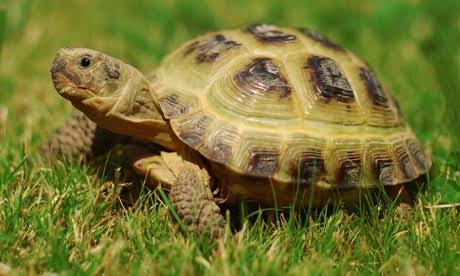
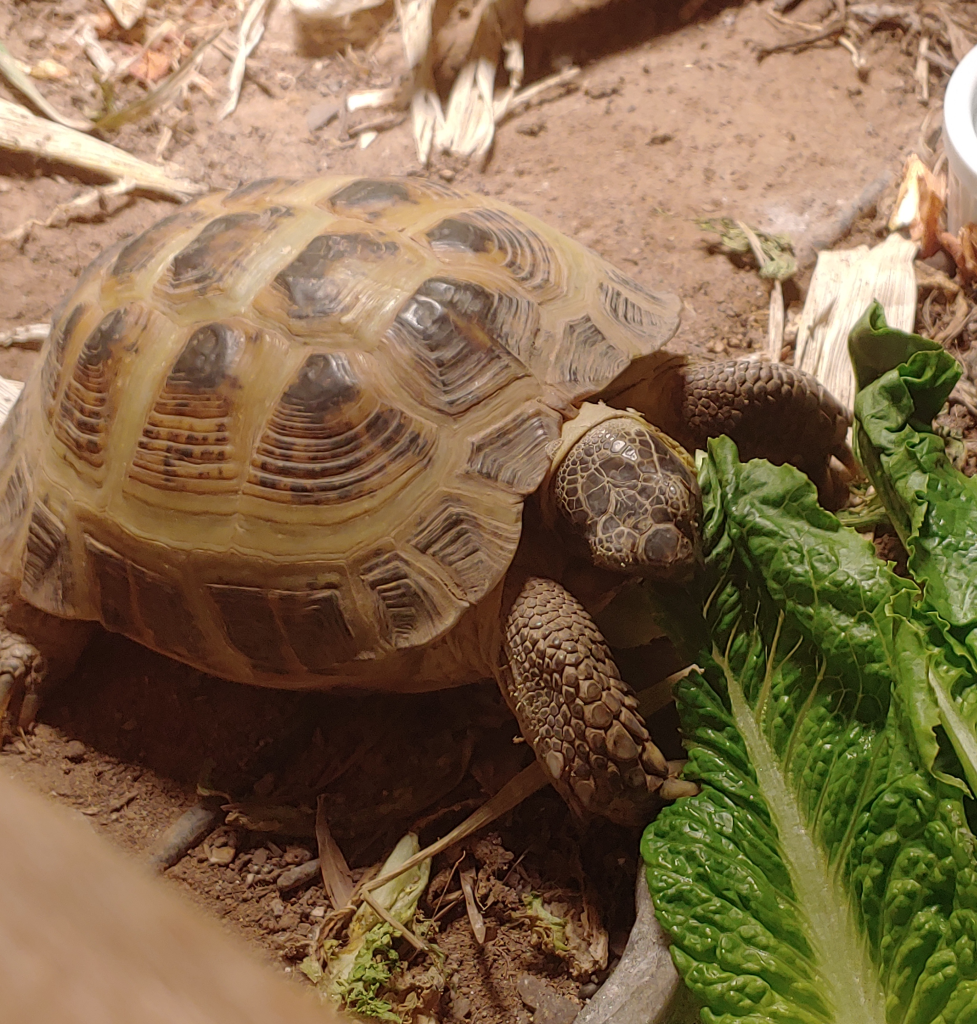
Fluffy is a Horsfield’s Tortoise around 12 years old. She enjoys climbing onto objects and hiding to sleep away in boxes. She is a picky eater for a tortoise. Her favorite food is romaine lettuce.

Fluffy's History in Life

Finding a Home

Fluffy started her life journey approximately 12 years ago around 2014. She was raised and eventually sent to a PetSmart in San Antonio, TX. Around the age of two, she fatefully met her future caretaker, Richard Klinger, and joined his family to live a long and enjoyable life.

Name's Origin

The reason for the name "Fluffy" is simple. It's funny. Tortoises, after all, are not fluffy in the slightest. You may have heard of fun, ironic names for pets before, such as calling a turtle "Speedy", but to the young Richard, this one felt unique.

Fun fact: A couple years later, a cat adopted themselves into the family. Thanks to the matching tortoiseshell fur color, she adopted the name of "Shelly".
Fluffy the Turtle eating Lettuce

A Slow Move

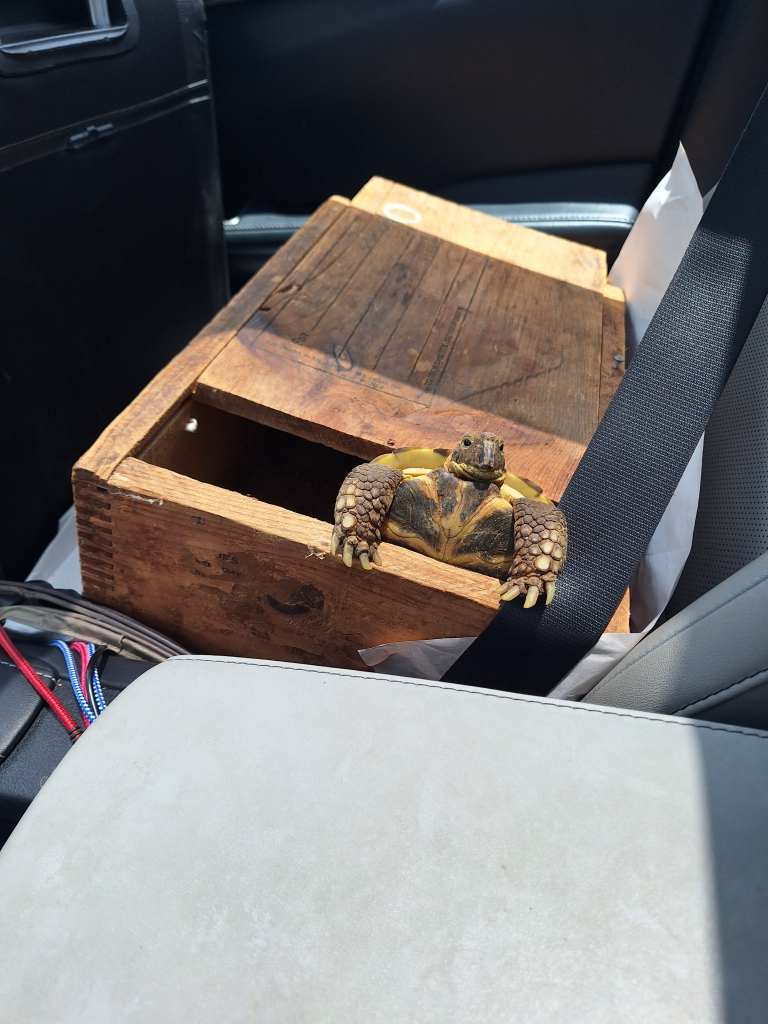
In 2020, Fluffy and her family had a long and slow move over the course of a few months to Huntsville, Alabama. During the drive, as she had done with other trips she was brought along, was kept in her trusty travel box. Afterwards, she stayed in a large bin as a temporary home until she recieved a luxurious two-story habitat that would last her six year stay in the area.
Fluffy the Turtle attempting to climb out of her travel box.

Born Escape Artist

Being a tortoise, Fluffy has a select few activities she enjoys. There's the obvious enjoyment of eating and sleeping, but she also enjoys exploring and climbing over things, often to find a new crevice to sleep in. Her habitat was made with this in mind, but as she grew larger or pushed things around in her habitat, she occasionally found a way to climb out.

While under supervision, she is let out on a walk to roam the yard for exercise and to satisfy her exploratious tendencies. The supervisor has to be careful, though. If she makes it to a bush, good luck pulling her out. Even at her size, her legs put up good fight.

The Present Day

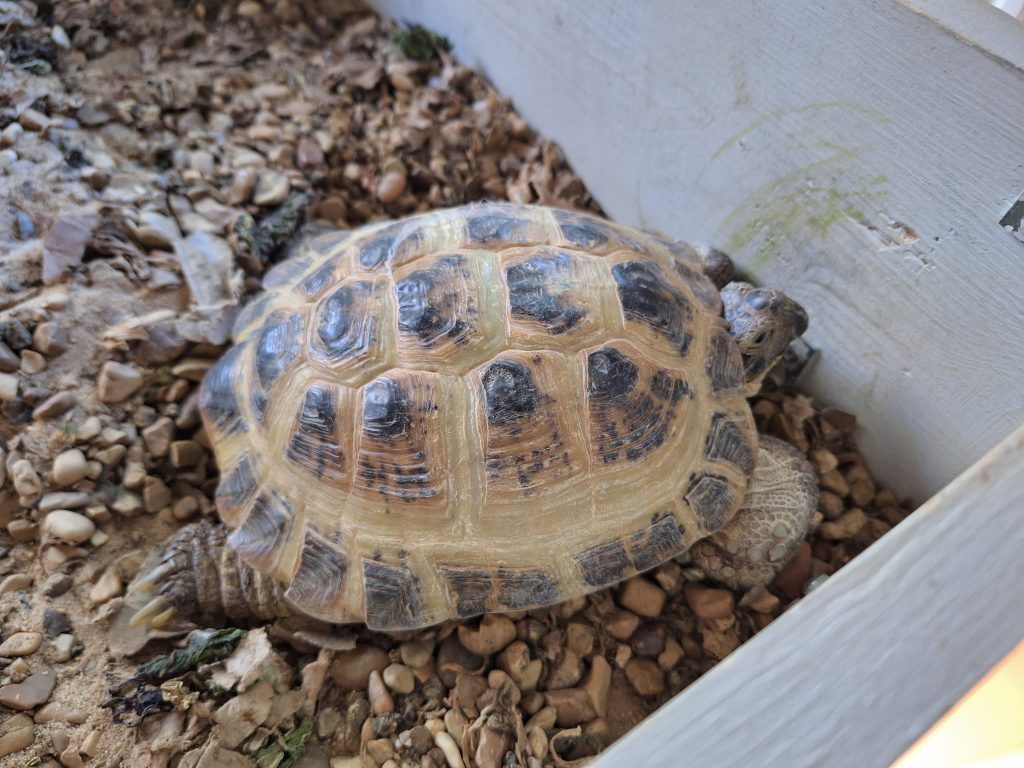
Fluffy the Turtle in a corner.
Again, Fluffy has had a recent big move down to The Villages, Florida. With a new home comes a new habitat. This time, she has two enclosuers with one inside and one outside in a screened-in patio. The permanent set-up is still underways, but the plan is to be even better than the last.

Even if she's living in a retierment community, she still has a long life ahead. Tortoises have a lifespan nearly as long as humans! She has many more experiences in store and more places to explore.

Habitats of Horsfield's Tortoises

Map showing that Horsfield's Tortoises live around the western regions along the Caspian Sea, streatching just past the eastern border of ChinaHorsfield’s Tortoises live in the dry, open region of Central Asia, mainly to the west of the Caspian Sea. Similar to other small desert animals, they tend to spend most of their time in small burrows that they dig to protect themselves from the extreme temperatures of the hot days and cold nights.

Like other tortoises, Horsfield’s Tortoises are herbivors. They tend to eat low-lying shrubs, such as grass, weeds, flowers, and other fiberous growth in the region. These plants also serve as a major source of their hydration.

The Horsfield’s Tortoise is a small animal, measuring in length of about 8 inches and weighing around 1.5 pounds. As a very hardy, they are very adaptable to a large variety of environments, which is why the spicies has become a common house. Their long lifespans nearly equal to humans of about 60 years also makes them a popular choice for a life long companion.

Taking Care of a Horsfield's Tortoise

Despite being a hardy animal, taking care of a Horsfield’s Tortoise is a lot of work. Unlike common omnivorous or carnivorous pets, providing proper nutrition requires significant planning and research. One should also take care to prevent their tortoise from obesity, a common problem that these domestic tortoises face. They should not be fed fruits on a regular basis. You may still give one a fruit on occasion, but they are about as nutritious as candy is to us humans and could cause indigestion. Also, protein-rich plants such as beans or many root vegetables should also be avoided to prevent protein poisoning. Extremely low-nutrient greens such as iceberg lettuce should be avoided, too. One should ensure that their diet includes a good mix of nutritious greens, such as grass, hay, wildflowers, and other plants.

Baby Horsfield Tortoise being provided food.As a tortoise that lives in a highly open area, one should not keep a Horsfield’s Tortoise in a small enclosure. They need room to roam about and to exercise. Although they can tolerate it, they should not be kept in an extremely humid space. It is also important to provide them UV light in an indoor enclosure to ensure that they receive proper vitamins for their shell to stay hard and sturdy.

Beyond their diet or enclosure, special care must also be made for their health, too. Unlike a cat, dog, or other mammalian pet, reptiles in general are less apparent with their symptoms until it becomes too late. It is recommended to bring them to a specialist vet on frequent occasion. Additionally, baby tortoises in particular are extremely prone to medical issues. Very careful attention and a very well maintained enclosure is even more vital to these hatchlings.

It is also important to know that if the tortoise is under 4 inches long, it is illegal in the United States for a tortoise to be sold. This is due to their high likelihood of carrying Salmonella. Although, the FDA put this law into place more to protect human children than the tortoises themselves.